Coordinate 44°40′39.62″N 11°02′34.83″E,  altitudine 20 m s.l.m., superficie 55,32 km², abitanti 15.921

The torrazzuolo

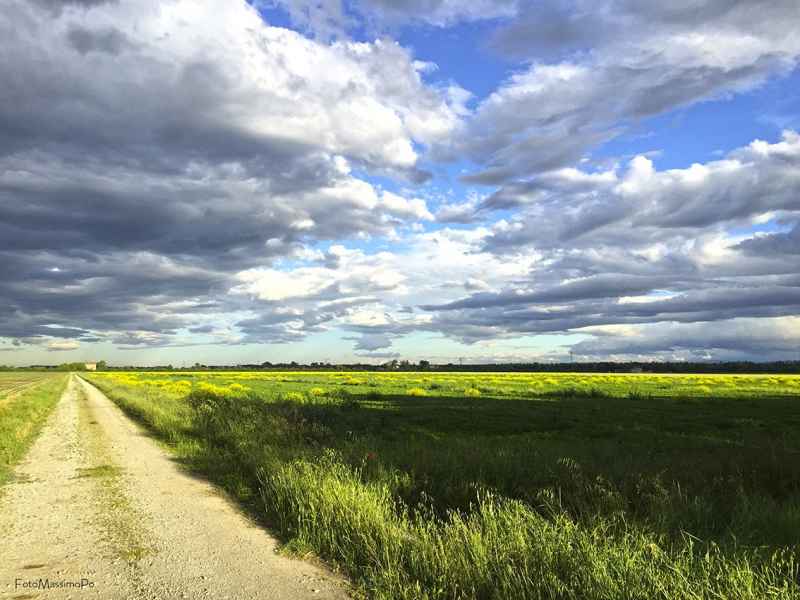
Nearing Nonantola or from the centre of the town it is possible to see the signs that guide towards the area of reforestation know as “Torrazzuolo” which can be reached from different directions.

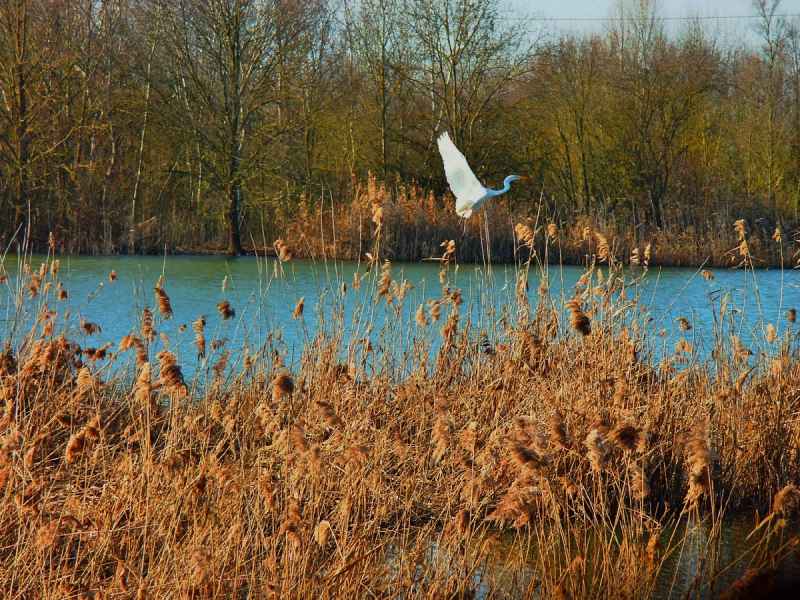
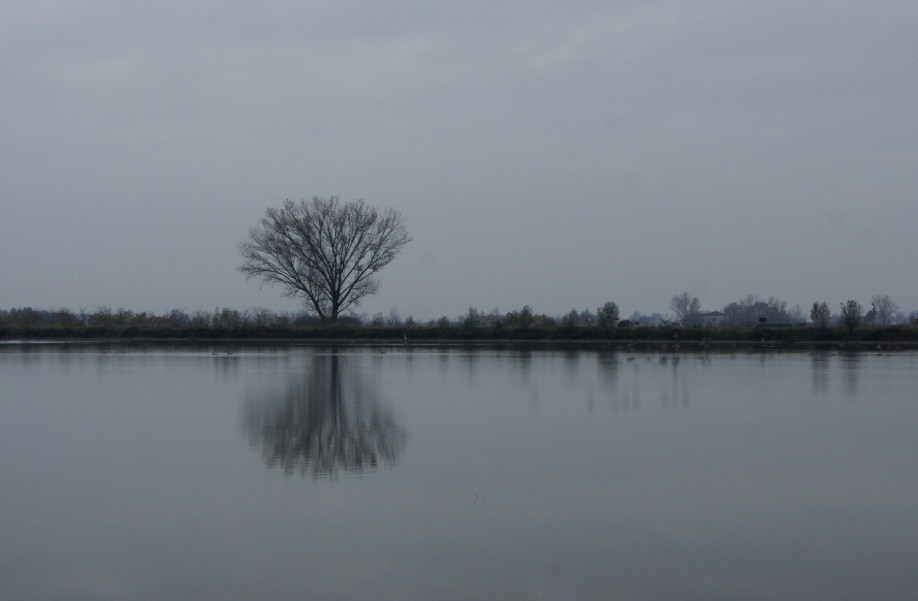
Of the approximately 70 hectares of protected land, 33 are occupied by wetlands, generated from natural, spontaneouse swamps and enriched by Woods growing in flatlands, tree-lined enclosures, between the ditch to the right of the Fossa Bosca and the ditch to the left of the Canale Torbido, on the area of the Partecipanza Agraria Nonantolana, called Valle di Sotto, which includes a lake of 7,5 hectares.

Since 1984, an animal oasis of grat natural interest has been administered by the LIPU of Modena.

Starting from 1991 the typical plants of the Medieval wood have been bedded: over 10.000 oaks, once extremely important because the acorns were fed to pigs which lived in a natural state; 9.502 ash trees, 8143 maple trees, 3158 wild cherry trees, 2435 willows, 2127 White poplars, 1513 hornbeams, 1445 black poplars and 200 alders, and a long hedge that follows via Due Torrioni.

This natural environment has encouraged the return of many animal species, especially birds, which, according to a census, taken about ten years ago, amounted to 172 different species: the garganey ducks (anas querquedula), the teal, the common wild duck, the dirds of the ardeidae family such as the purple heron, the great White egret and the black-crowned heron, the limicolous species such as the buzzard, the kestrel, the hen harrier, the marsh harrier, and then the little grede, the kingfischer, the water rail and Others like pheasants, sparrows, crows, swallows, thrusches, robins redbreast, pigeons, partridges, golfinches, falcons, wild, ducks, heron and diving dird.

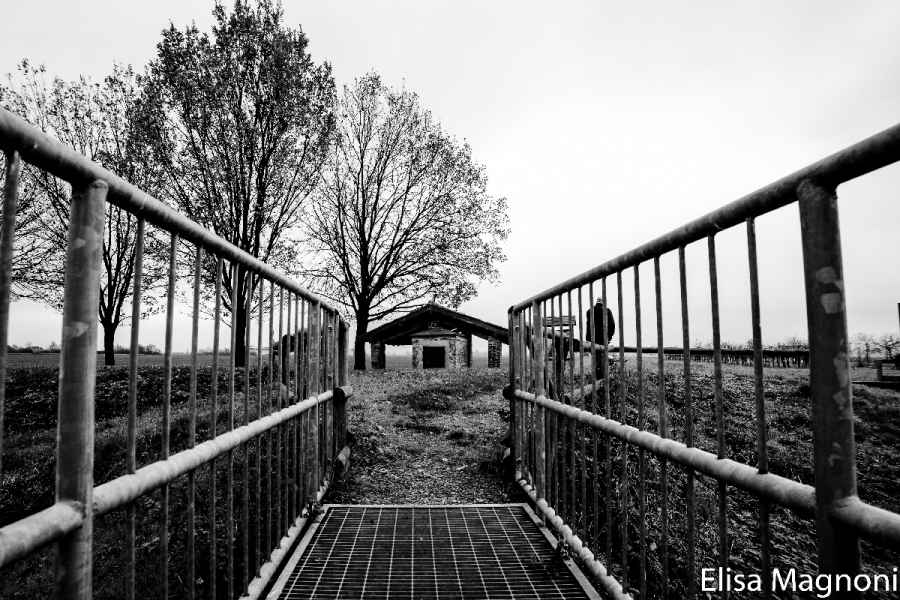
The natural reserve has been furnisched with two sheds for bird watching, a station for ringing birds, working for the Istituto Nazionale Fauna Selvatica, while the volunteers of the LIPU, besides taking care of the maintenance of the area, are available for visitors, leading them in guided excursions or along itineraries that illustrate the importance of environmental education.

The reserve/oasis is open for visits every Tuesday, Saturday and Sunday, with free entrance to the observation shacks, while on other days booking is required.

Buses are allowed to park near the reserve, in a place called Ponte Sant’Anselmo, and visitors can stop for picnics in the nearby courtyard of the Casa della Prtecipanza (contact the Centro Educazione Ambientale del Comune di Nonantola)

Partecipanza Agraria di Nonantola

Via Roma, 21 – Nonantola (Mo)

Orari: giovedì e sabato ore 9.30-12.30.

Ingresso: gratuito.

Telefono: 059 549 046

www.partecipanzanonantola.it

La mostra permanente, l’archivio e l’acetaia sono visitabili previo appuntamento contattando il numero 059/549046 oppure la mail This email address is being protected from spambots. You need JavaScript enabled to view it.


The “Partecipanza Agraria” of Nonantola

The “ Partecipanza Agraria” of Nonantola was established in 1058 throught the perpetual concession of woods, pastures and marshes that the Abbot Gotescalco granted to all the inhabitants of the village. Nowadays, this particular collective administration of plots of land, still assigned to the native “Nonantolani”, is composed of 765 hectars of agricultural land, of which 70 hectars are used as natural oasis ( woods and wetland area) in the north-east of the village.

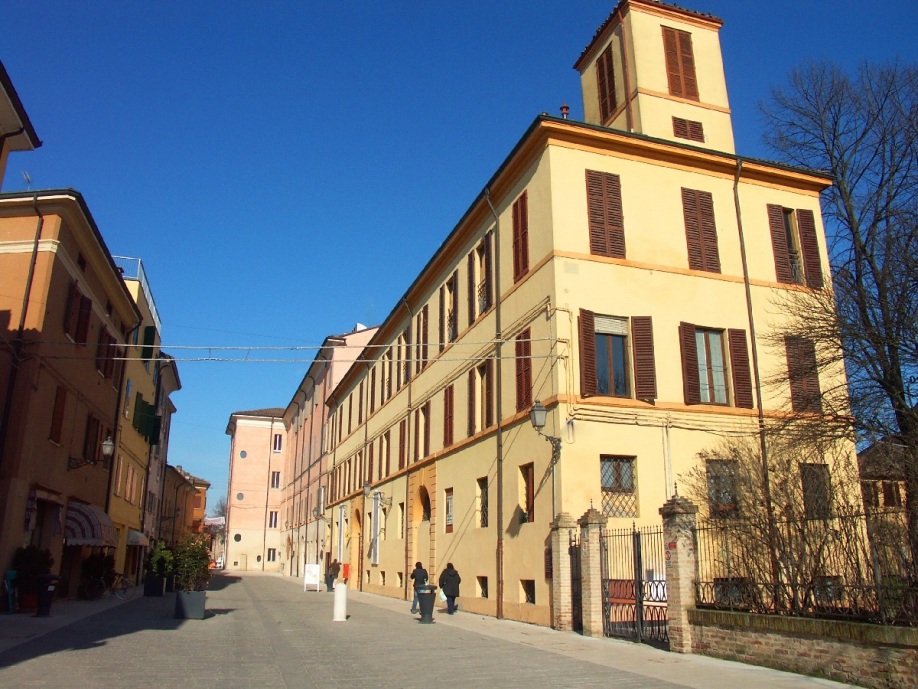
The “Partecipanza Agraria” has its main hub in the old town of Nonantola city, in an important complex built in the northweast rampart of the ancient village walls, :the “Old Residence”, where the Community of Nonantola was born, and the “ New Residence” that looks out over the so called “Roma Street”; it has a 18th-19th Century architecture , a probable renewal of a previous era building, maybe dated 14th-15th  century.

The main façade of the New Residence is characterized by a large round arch entrance that introduces in the transit hall and in the inner courtyard.

The entrance leads to the garden, that proceeds from the old moats of the castle.

The Partecipanza Palace is so composed:

  • SALA DEI GIURISTI ( Jurists hall): the ancient hall of the Community Audience Chamber and the current Council Hall of the Partecipanza, with a valuable painted cealing decorated by Mr. Bigoni, a Modenese painter of the 19th century;
  • ARCHIVIO STORICO, the important Hystorical Archive that preserves all the documents of the “Ente” since 1850 up to the present day, and many different maps of the XIX century that witness the evolution of the agricultural landscape;
  • The permanent exhibition that shows the story of the Partecipanza Agraria on explanatory panels divided for contents;
  • The Acetaia with three series of barrels, offered by the “Partecipanti” and citizens of Nonantola for a didactic purpose as the vinegar that is kept inside.

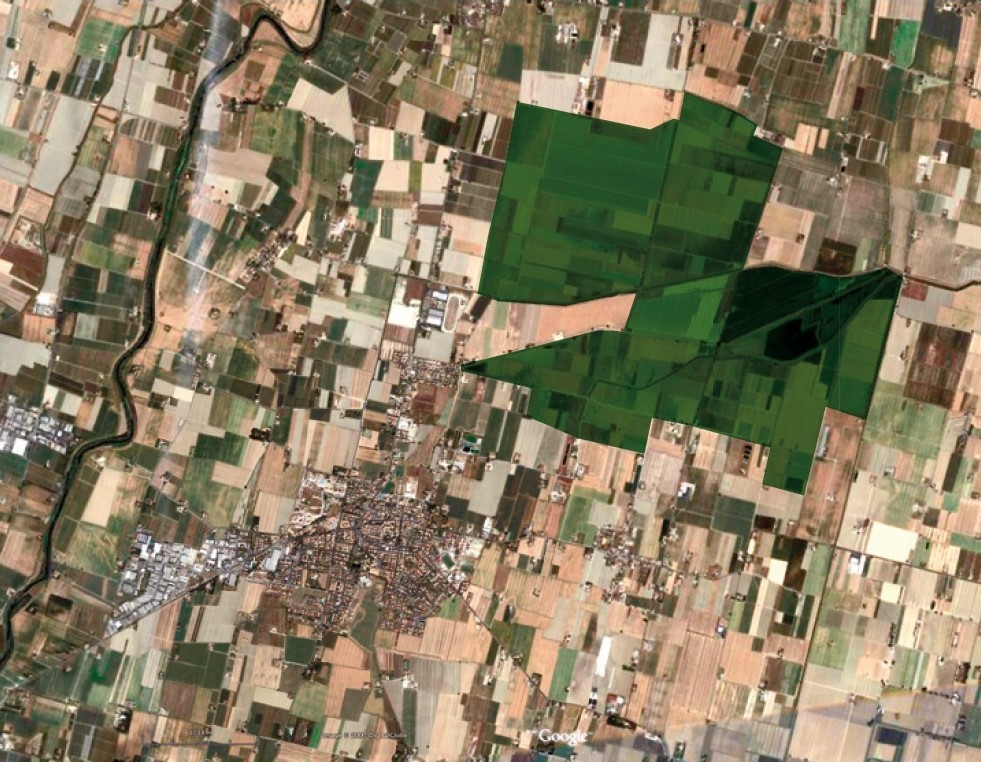
visit nonantola Partecipanza 00003Fotografia aerea del territorio di Nonantola. Evidenziati in verde i terreni della Partecipanza Agraria

visit nonantola gotescalco 00002Ricostruzione delle fortificazioni volute dall’abate Gotescalco. Museo di Nonantola


Partecipanza Agraria di Nonantola

Via Roma, 21 – Nonantola (Mo)

Orari: giovedì e sabato ore 9.30-12.30.

Ingresso: gratuito.

Telefono: 059 549 046

www.partecipanzanonantola.it

La mostra permanente, l’archivio e l’acetaia sono visitabili previo appuntamento contattando il numero 059/549046 oppure la mail This email address is being protected from spambots. You need JavaScript enabled to view it.

NONANTOLA MUSEUM

MUSEO DI NONANTOLA – TORRE DEI BOLOGNESI

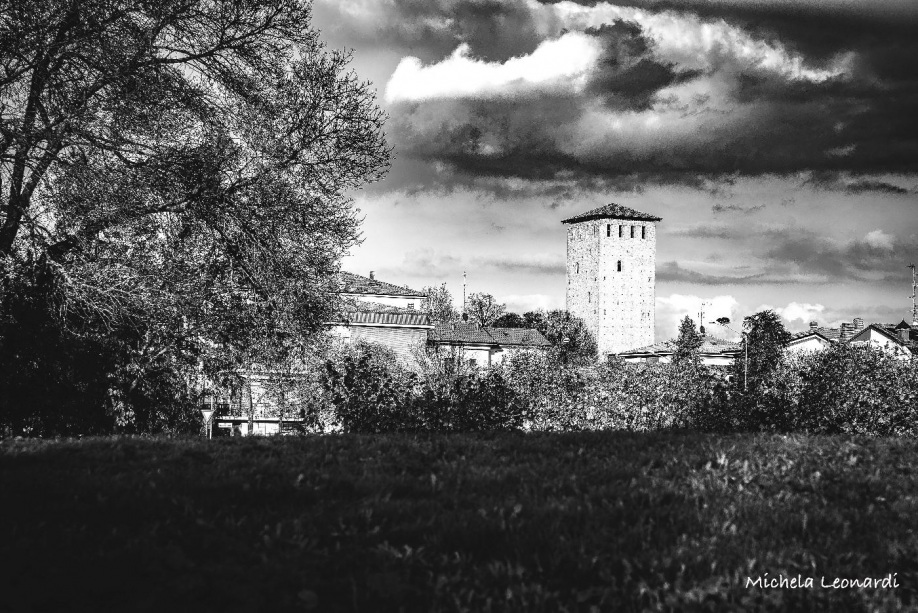
The Museum is set up in the fourteenth-century “Torre dei Bolognesi” (Bolognesi Tower) and traces the history of Nonantola from the contemporary age to Prehistory through a backward journey marked on four steps, by using archaeological photographic and documentary sources.

The story, developing into the museum, has three strongly intertwined main strands: the transformation of the agricultural landscape that characterizes the territory, the evolution of the village and the community development.

On the ground floor is settled the exhibition named “The Jewish children of Villa Emma in Nonantola: 1942 -1943”, back here after the earthquake of 2012. The exhibition, edited by the German historian Klaus Voigt, tells about an important fact related to the 2nd World War that involved the community of Nonantola in the rescue of 73 Jewish children.

The first floor tells the story of Nonantola from the 20s of the twentieth century until today; thanks to the use of photographic and documentary sources the milestones of the last century of our history can be easily recalled.On this floor is deeply explained the period related to the anti-fascism and the fighting opposition where emerge some relevant figures such as Don Arrigo Beccari and Giuseppe Moreali, who played an important role in the affair of the ” The Jewish children of Villa Emma”: in a showcase it is exposed the “Righteous among the Nations” medal, that both of the two heroes received by the State of Israel for their efforts on behalf of persecuted and discriminated Jews, and in general of people discriminated from nazi-fascism.

The second floor traces back the nineteenth century and highlights the deep changes happened in the agricultural landscape; an area of ​​particular importance is dedicated to the evolution of Agrarian Partecipanza of Nonantola (the non-profit organization arising from a legacy of the Middle Ages).

The third floor shows the broad historical period between 1700 and 1000, focusing on the evolution of the village of Nonantola starting from its birth around the Monastery of San Silvestro, founded in 752 by the Lombard duke Anselmo. In this area are exposed the statutes of the City of Nonantola dated 1419, which govern the civil and criminal aspects of the community and mark the official birth of the City.

Relevant attention is given to two burials that were discovered on the Nonantola area: the clay-brick tomb of a monk of Nonantola Abbey, and that of a little boy found on a grave within the cemetery of Piazza Liberazione.

The fourth floor presents the ancient period of the history of Nonantola and its territory, from the Bronze to the Roman Age, through a wide range of finds discovered in the local area.

Among the most important objects, those from Terramara of Redù emerge, among which the “Lamina Aurea” stands out: this is a gold leaf disc decorated with embossed and punch technique with circular decorations/themes.

Last, but not least, on the view point of the museum you can appreciate a marvellous lookout, thanks to the 360° scenic view of the town of Nonantola and its territory.


Entrance: Via del Macello and Via Marconi 11, Perla Verde garden.

Admission: free

Opening times: 9.30 -12.30 a.m. / 3.30 – 6.30 p.m., Saturday, Sunday from and holidays

To reserve a group tour call 059/896656

Upper floors are not accessible for wheelchair, due to that on the ground floor a virtual tour of the museum has been set up.

Information

Tel: 059/896656

Mail: This email address is being protected from spambots. You need JavaScript enabled to view it.

Website: https://www.museodinonantola.it/contenuto/luoghi/museo.ashx

visit nonantola museo 00003La Torre dei Bolognesi (Museo di Nonantola) dal parco Moreali

visit nonantola museo 00004La mostra "I ragazzi Ebrei di villa Emma" esposta al piano terra

visit nonantola museo 00005I ragazzi Ebrei di villa Emma


visit nonantola museo 00007La bicicletta: il mezzo di locomozione più utilizzato all'inizio del ‘900 nelle nostre pianurevisit nonantola museo 00008La carriola utilizzata per le bonifiche e la bandiera della pace dedicata ai caduti di Nonantola durante la Seconda Guerra Mondialevisit nonantola museo 00006La vetrina dedicata a Don Arrigo Beccari e al Dott. Giuseppe Moreali, Giusti tra le Nazioni
6Telaio per la lavorazione della canapa7I pannelli libro che illustrano i cambiamenti del borgo nel XIX secolo e la storia della Partecipanza Agraria

9Plastico della torre dei Bolognesi nel XIV secolo9 bis 2Particolare dei documenti dell’Archivio Storico del Comune di Nonantola esposti all'interno delle cassettiere

10 10 bis
Reperti archeologici rinvenuti durante lo scavo della Torre dei Modenesi


11La sezione dedicata allo scavo archeologico di piazza Liberazione con i plastici ricostruttivi della chiesa di San Lorenzo 

12La sezione dedicata all’archeologia funeraria con le tombe di XI secolo del monaco rivenuto in abbazia e del bambino di piazza Liberazione


13Le ricostruzioni delle trasformazioni avvenute nel borgo tra alto e basso medioevo: dalla fondazione dell’abbazia al XV secolo

15La vetrina centrale dedicata ai reperti archeologici di epoca romana e dell’età del Bronzo

16 16 bisLa Lamina Aurea di Redù (XVII-XIII secolo a.C.)

17 19Reperti di epoca romana (I secolo a.C. –V d.C.)


 DSC7338 copia